Specialty only for that year
Japanese tea has a historical blending method called "gogumi". Single-origin tea is delicious, but it is a specialty that takes advantage of the flavors of each year's teas from the Tamba, Tango, and Tajima highlands by blending them. That is "Sangoku tea".
Click here for details

Specialty only for that year
Japanese tea has a historical blending method called "gogumi". Single-origin tea is delicious, but it is a specialty that takes advantage of the flavors of each year's teas from the Tamba, Tango, and Tajima highlands by blending them. That is "Santan tea".
Click here for details




Sencha
Eighty-eight nights since the first day of spring. The "sencha"
picked at the beginning of the harvest is the first flush, or
so-called first flush. It has a rich flavor and aroma and is
called new tea.
blend:Year-round sales
single origin:Limited sale only during the new tea season
●●g ⁄●●●yen(tax included)
Tea bag(●pack)⁄●●●yen(tax included)
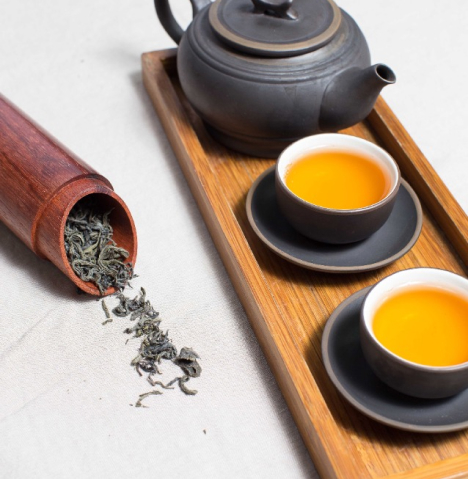
Hojicha
Hojicha is a tea made by roasting green tea. Roasting it gives
off a gorgeous roasted aroma.
single origin:tamba
●●g ⁄●●●yen(tax included)
Tea bag(●pack)⁄●●●yen(tax included)
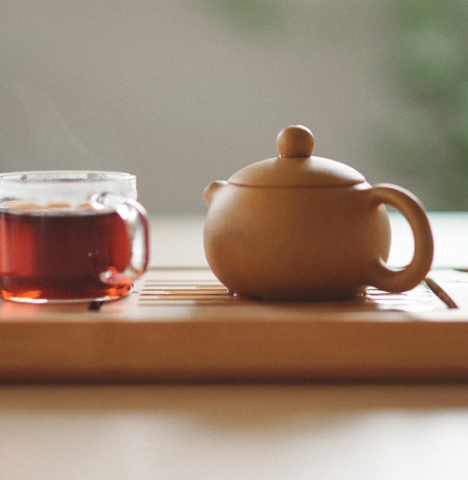
Japanese black tea
Japanese black tea is also fermented green tea, so it has a
milder taste with less bitterness than black tea. There are not
many Japanese black teas available, as it takes a lot of time to
produce them.
single origin:tajima
●●g ⁄●●●yen(tax included)
Tea bag(●pack)⁄●●●yen(tax included)


We also sell gift boxes!