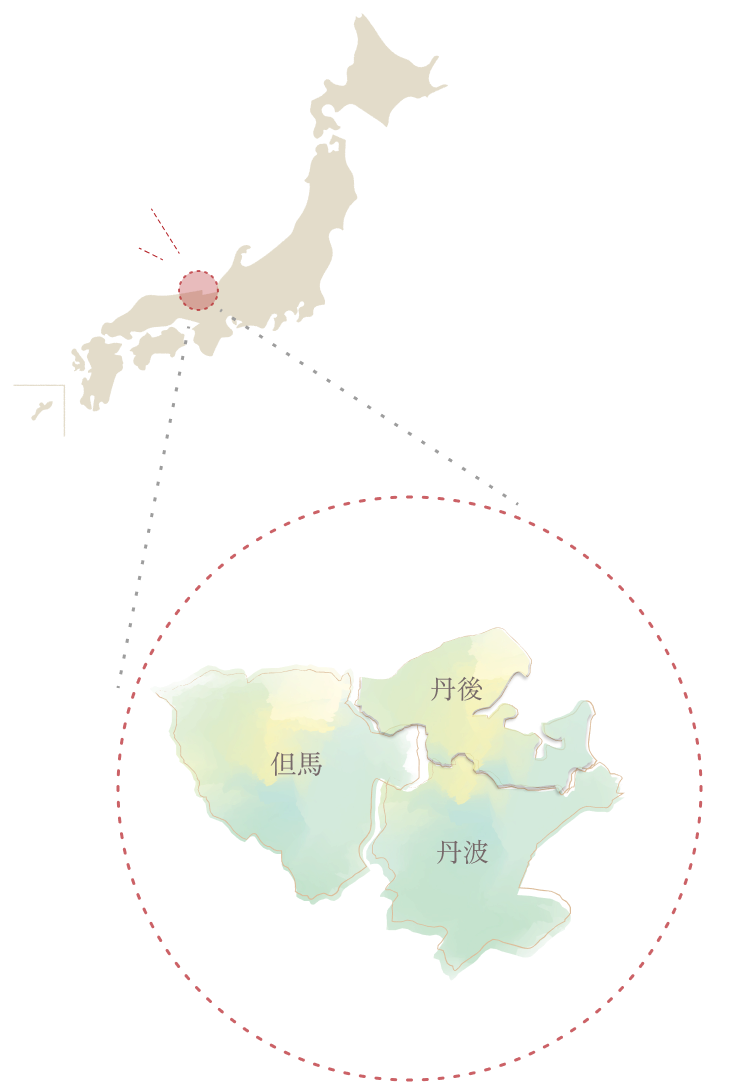
Main attractions in the Santan region

Asago City, Hyogo Prefecture
The Takeda Castle ruins, located on the mountaintop at an
altitude of 353.7 meters, is a nationally designated important
cultural property (historic site). Selected as one of Japan's
100 Famous Castles
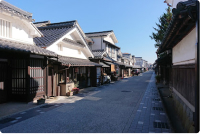
Tamba Sasayama City, Hyogo Prefecture
It has been selected as a nationally important preservation
district for groups of traditional buildings, and the historical
scenery is still well preserved along the approximately 600m
long street.
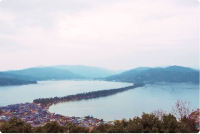
Northern Kyoto Prefecture
Amanohashidate, located in Miyazu Bay on the Sea of Japan, is
one of the three most scenic spots in Japan, along with
Matsushima in Mutsu and Miyajima in Aki. It is a mysterious
formation created by nature over thousands of years.

Cycle tourism
Preparing to start next spring!
bicycle trip to explore the history, scenery, and tea of the
Mitan area.
Click here for details
Masterpieces from the Santan region
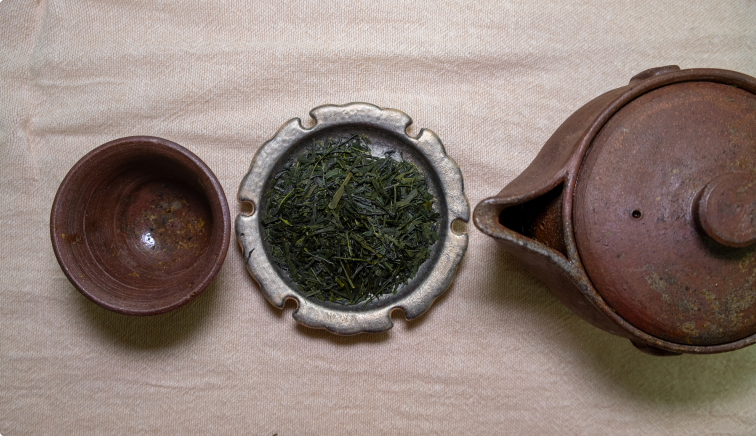
Tambayaki
Tamba-yaki is a type of pottery made around Tamba-Sasayama City, Hyogo Prefecture. It is also called Tamba Tatekuiyaki and is counted as one of the six oldest kilns in Japan. It is said to have its origins from the end of the Heian period to the beginning of the Kamakura period, and was primarily used to make miscellaneous everyday items. Tamba ware is characterized by the use of local clays such as red clay and black clay, and the use of ``natural glazes'' that do not use artificial glazes, giving it a rustic and warm appearance. There are a variety of Tamba ware makers, from those who maintain traditional styles to those who pursue unique, modern styles. Tamba ware is an attractive piece of pottery that comes in a variety of colors.
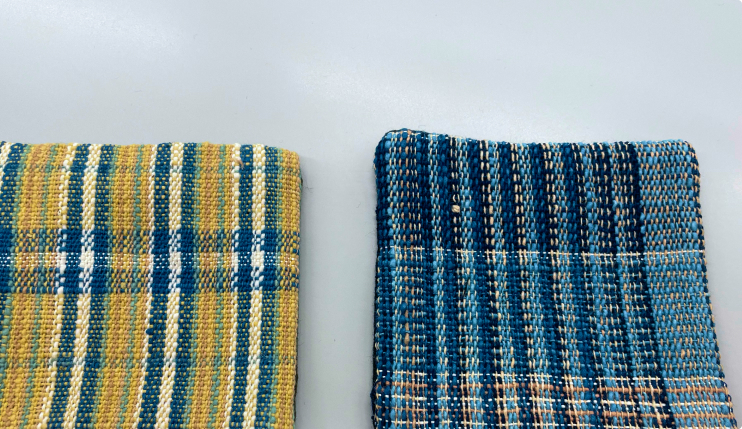
Tamba cloth
Tamba cloth was actively woven from the end of the Edo period to the middle of the Meiji period, mainly around Aogaki, Tamba City, Hyogo Prefecture. In the Showa period, it was rediscovered by craftsmen such as Muneyoshi Yanagi and Rokuro Uemura, and a revival movement began. Cotton and silk threads dyed with natural dyes such as indigo and brown are woven together to create striped and plaid patterns. Tambafu is currently designated as a nationally designated intangible cultural property and a traditional craft of Hyogo Prefecture.
Yanagi Gori
Yanagi-gori is a traditional craft made of willow branches woven with hemp thread. It originated in Toyooka City, Hyogo Prefecture, and is called Toyooka Kiryu Zaiku. It has a long history and is said to have been made over 1200 years ago. It is durable, lightweight, and has good breathability, so it has been used since ancient times to store clothes and carry luggage for travel. It received high acclaim at the Paris World's Fair in 1900, and many were exported overseas. Currently, Takumi Terauchi of Takumi Kogei is the only craftsman who has inherited this technique. Yanagi-gori is one of Japan's most representative traditional crafts, with world-class beauty and skill.