


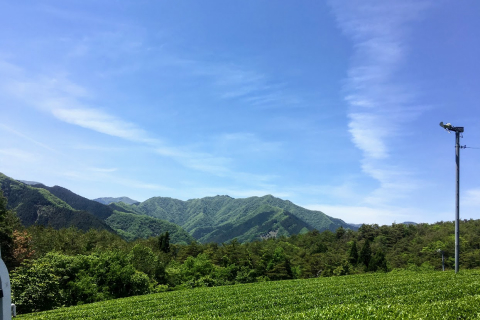
The tea production areas of Tanba, Tajima, and Tango are each located on a plateau. Tea plantations in the mountains have shorter daylight hours, lower temperatures, and a larger temperature difference between day and night than in the flatlands. Trees provide shade to the tea garden, and fog provides a natural cover. It grows slowly and produces tea leaves that are low in bitterness and astringency, and rich in umami and sweetness.
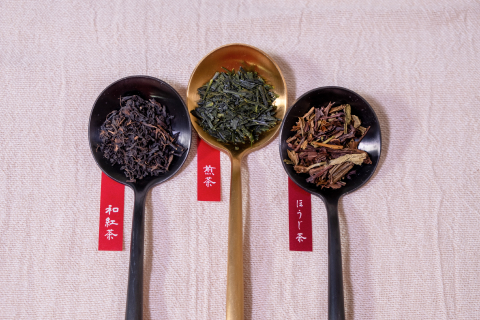
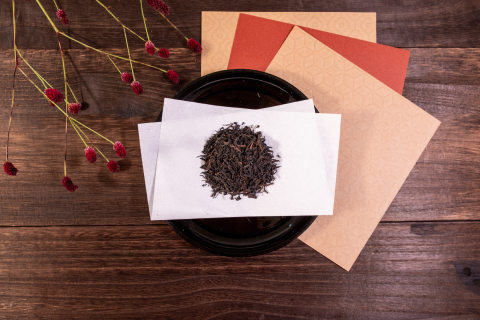
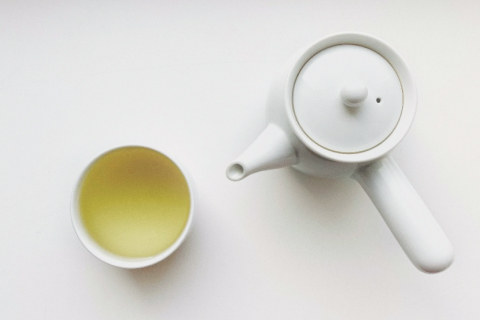
The flavor and aroma of the tea leaves are different from Tamba, Tango, and Tajima. If you enjoy the taste of tea from each region, you may discover your favorite flavor. We would be happy if you could enjoy "tea" with free ideas.

丹波

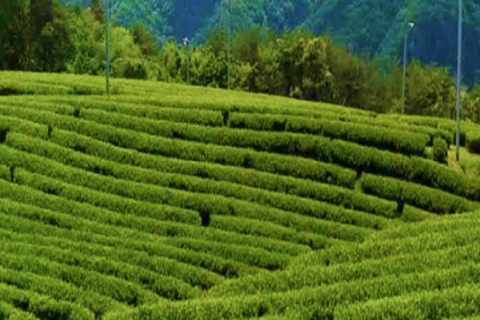
The origin of Tamba tea dates back to the 6th year of Konin (815), about 1200 years ago, as described in "Nihon Postoki." In the late Edo period, Tamba tea accounted for more than half of the tea consumed in Osaka. Even today, it is responsible for much of the cultivation in Hyogo. Although the basin is 200m above sea level, it is cultivated on flat ground like the palm of the Buddha.
但馬

It is cultivated on the Sano Plateau in Asago City, and the tea garden is located at an altitude of about 300 meters, the same altitude as Takeda Castle, which is famous for its sea of clouds. The morning fog is deep and sometimes doesn't clear until around 9am, making for aromatic tea. Asago City's small number of award-winning producers are pioneers of Japanese black tea production in Hyogo Prefecture.
丹後

With technical guidance from Kyoto Prefecture, they also produce tencha (raw material for matcha) that meets Uji tea standards, have obtained JGAP certification, and are an ambitious cultivation area that also exports. Although the cultivation methods are diverse, we grow a variety of tea varieties.